Buy revolvers.eu ?
We are moving the project
revolvers.eu .
Are you interested in purchasing the domain
revolvers.eu ?
domain@kv-gmbh.de · 0541-91531010
Buy revolvers.eu ?
What is covalent development?
Covalent development is a term used in the context of software development to describe a collaborative approach to building and maintaining software. It involves multiple developers working together on the same codebase, using version control systems to manage changes and updates. Covalent development emphasizes communication, teamwork, and shared responsibility for the code, leading to a more efficient and cohesive development process. This approach allows for greater flexibility and adaptability in responding to changes and challenges in the development process. **
What are covalent bonds?
Covalent bonds are a type of chemical bond formed between two atoms when they share one or more pairs of electrons. This sharing of electrons allows both atoms to achieve a more stable electron configuration, typically by filling their outermost energy levels. Covalent bonds are typically found in molecules and are responsible for holding the atoms together to form the structure of the molecule. These bonds can be either polar, where the shared electrons are not equally distributed between the atoms, or nonpolar, where the shared electrons are equally distributed. **


Similar search terms for Covalent
Top-Angebote
Products related to Covalent:
-
Uplift Picks RapidPlay Shell Ejecting Toy Pistol For Outdoor Target Games RapidPlay Shell Ejecting Toy Pistol For Outdoor Target GamesTurn casual target practice into a more engaging handson game. This toy blaster adds a mechanical shellejection effect that makes each session feel active and interactive. Designed for adults and supervised older users, it suits backyard challenges,...72,98 $*Shipping: 0,00 $Secure redirect to the provider
-
Hasbro Nerf One Piece Going Merry Blaster with Holster and 8 Darts for Kids, Ages 8+Get ready for foam-dart adventures with the Nerf One Piece Going Merry Blaster, inspired by the iconic ship from the Netflix live-action One Piece series. This special Nerf blaster features a distinctive ram figurehead, ship-inspired detailing, and pirate-themed styling, making it perfect for imaginative play and One Piece fans. The blaster uses a simple hammer-priming action, where you load one Nerf Elite foam dart into the front of the barrel, pull back the hammer, and squeeze the trigger to fire. A clip-on holster is included, allowing young adventurers to keep their blaster close at hand during pirate role play, cosplay, or foam-dart games. Contents include 1 Nerf One Piece Going Merry blaster, 1 clip-on holster, and 8 Nerf Elite foam darts. Safety information: suitable for children aged 8 years and over, do not aim at eyes or face, and use only official Nerf darts with this blaster.15,93 £*Shipping: 3,95 £Secure redirect to the provider
-
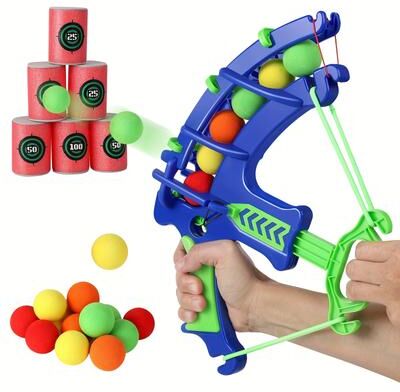
DynamicDeals Soft Bullet Target Practice Toy Set For Kids Safe Kids Shooting Game & Educational Shooting Toy For Indoor Outdoor Soft Bullet Target Practice Toy Set For Kids Safe Kids Shooting Game & Educational Shooting Toy For Indoor OutdoorBring excitement and skillbuilding into every play session with this engaging soft bullet target practice toy set designed for young adventurers. Its perfect for active boys and girls who love a fun challenge while developing focus and coordination....34,97 $*Shipping: 0,00 $Secure redirect to the provider
-
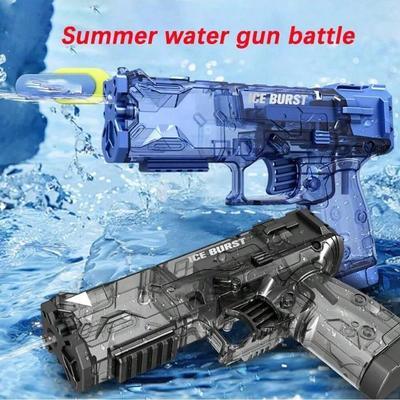
Uplift Essentials High Performance Transparent Desert Eagle Water Pistol yellowExperience the pinnacle of aquatic combat with a highperformance device designed for tactical precision and highenergy summer fun. This summer transparent cool outdoor water gun toy is the ultimate solution for those seeking a reliable, mechanical...45,97 $*Shipping: 0,00 $Secure redirect to the provider


-
What is a covalent bond?
A covalent bond is a type of chemical bond that involves the sharing of electron pairs between atoms. This sharing of electrons allows each atom to achieve a more stable electron configuration, typically by filling their outermost energy level. Covalent bonds are typically found in molecules and are stronger than other types of chemical bonds, such as ionic bonds. The number of shared electrons can vary, leading to different types of covalent bonds, such as single, double, or triple bonds. **
-
What is a non-covalent bond?
A non-covalent bond is a type of chemical bond that does not involve the sharing of electrons between atoms. Instead, non-covalent bonds are formed through electrostatic interactions, such as hydrogen bonding, van der Waals forces, and ion-dipole interactions. These bonds are generally weaker than covalent bonds and can be easily broken under certain conditions. **
-
What does "covalent" mean in chemistry?
In chemistry, "covalent" refers to a type of chemical bond that involves the sharing of electron pairs between atoms. This type of bond is formed between nonmetal atoms and is characterized by the atoms sharing electrons in order to achieve a stable electron configuration. Covalent bonds are typically strong and result in the formation of molecules. **
-
Is covalent bonding a difficult topic?
Covalent bonding can be a challenging topic for some students due to its abstract nature and the need to understand concepts such as electron sharing and molecular geometry. However, with proper explanation and practice, students can grasp the fundamentals of covalent bonding. It is important to break down the concepts into simpler parts and provide real-world examples to help students understand the concept better. With patience and practice, students can overcome the difficulties associated with covalent bonding. **

What is a nonpolar covalent bond?
A nonpolar covalent bond is a type of chemical bond where two atoms share electrons equally. This occurs when the difference in electronegativity between the two atoms is very small or nonexistent. As a result, there is no separation of charge within the bond, making it nonpolar. Nonpolar covalent bonds are typically found between atoms of the same element or between atoms with similar electronegativities. **
Can you explain the covalent bond?
A covalent bond is a type of chemical bond that involves the sharing of electron pairs between atoms. This sharing of electrons allows each atom to achieve a full outer electron shell, making the atoms more stable. Covalent bonds are typically formed between nonmetal atoms, and the strength of the bond is determined by the number of shared electrons and the distance between the nuclei of the atoms. Covalent bonds can be either polar or nonpolar, depending on the electronegativity difference between the atoms involved. **
Top-Angebote
Products related to Covalent:
-
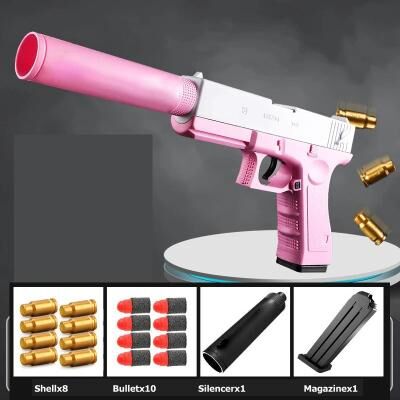
Uplifted Finds Desert Eagle Shell Ejection Toy Pistol With Soft Foam Bullets For Outdoor CS Shooting Games cExperience the thrill of tactical play with this Powerful Desert Eagle Toy Gun, designed for realistic action and safe fun. This Airsoft Pistol alternative features an authentic Shell Ejection mechanism that mimics a real firearm, popping out a...72,97 $*Shipping: 0,00 $Secure redirect to the provider
-
Burgon & Ball RHS Flora & Fauna Pruner & Holster Set This RHS Flora & Fauna pruner and holster set combines dependable cutting performance with decorative botanical detail, making it a thoughtful and practical gardening gift. The pruner is endorsed by the Royal Horticultural Society and designed for long‑lasting use. Lightweight alloy handles are paired with a hardened, tempered high‑carbon steel blade to deliver clean, precise cuts. Finished with blue handles that complement the Flora & Fauna design, the pruner is comfortable to use and carries a reassuring ten‑year guarantee. The matching neoprene holster features the vibrant Flora & Fauna pattern and is designed to be worn on a belt, keeping the pruner close to hand while gardening. The set is presented in a plastic‑free, fully recyclable pull‑out gift box, with engineered cardboard securing both items neatly in place. The Flora & Fauna design showcases elegant birds and delicate foliage drawn from historic illustrations in the RHS Lindley Collections, including Chinese watercolours and hand‑coloured engravings dating from 1819–1912. Designed by Burgon & Ball as part of the RHS Gifts for Gardeners collection. Pruner length: 17cm. Pruner weight: 0.16kg. Holster length: 19cm. Knives are not for sale to persons under the age of 18. - all knives and bladed products are delivered by Age Verified Delivery (AVD). The carrier may request proof of age in order to deliver your parcel. If proof of age is not available, or the recipient is underage, the carrier will refuse to deliver.20,69 £*Shipping: 3,50 £Secure redirect to the provider
-
Uplift Picks RapidPlay Shell Ejecting Toy Pistol For Outdoor Target Games RapidPlay Shell Ejecting Toy Pistol For Outdoor Target GamesTurn casual target practice into a more engaging handson game. This toy blaster adds a mechanical shellejection effect that makes each session feel active and interactive. Designed for adults and supervised older users, it suits backyard challenges,...72,98 $*Shipping: 0,00 $Secure redirect to the provider
-
Hasbro Nerf One Piece Going Merry Blaster with Holster and 8 Darts for Kids, Ages 8+Get ready for foam-dart adventures with the Nerf One Piece Going Merry Blaster, inspired by the iconic ship from the Netflix live-action One Piece series. This special Nerf blaster features a distinctive ram figurehead, ship-inspired detailing, and pirate-themed styling, making it perfect for imaginative play and One Piece fans. The blaster uses a simple hammer-priming action, where you load one Nerf Elite foam dart into the front of the barrel, pull back the hammer, and squeeze the trigger to fire. A clip-on holster is included, allowing young adventurers to keep their blaster close at hand during pirate role play, cosplay, or foam-dart games. Contents include 1 Nerf One Piece Going Merry blaster, 1 clip-on holster, and 8 Nerf Elite foam darts. Safety information: suitable for children aged 8 years and over, do not aim at eyes or face, and use only official Nerf darts with this blaster.15,93 £*Shipping: 3,95 £Secure redirect to the provider
-
What is covalent development?
Covalent development is a term used in the context of software development to describe a collaborative approach to building and maintaining software. It involves multiple developers working together on the same codebase, using version control systems to manage changes and updates. Covalent development emphasizes communication, teamwork, and shared responsibility for the code, leading to a more efficient and cohesive development process. This approach allows for greater flexibility and adaptability in responding to changes and challenges in the development process. **
-
What are covalent bonds?
Covalent bonds are a type of chemical bond formed between two atoms when they share one or more pairs of electrons. This sharing of electrons allows both atoms to achieve a more stable electron configuration, typically by filling their outermost energy levels. Covalent bonds are typically found in molecules and are responsible for holding the atoms together to form the structure of the molecule. These bonds can be either polar, where the shared electrons are not equally distributed between the atoms, or nonpolar, where the shared electrons are equally distributed. **
-
What is a covalent bond?
A covalent bond is a type of chemical bond that involves the sharing of electron pairs between atoms. This sharing of electrons allows each atom to achieve a more stable electron configuration, typically by filling their outermost energy level. Covalent bonds are typically found in molecules and are stronger than other types of chemical bonds, such as ionic bonds. The number of shared electrons can vary, leading to different types of covalent bonds, such as single, double, or triple bonds. **
-
What is a non-covalent bond?
A non-covalent bond is a type of chemical bond that does not involve the sharing of electrons between atoms. Instead, non-covalent bonds are formed through electrostatic interactions, such as hydrogen bonding, van der Waals forces, and ion-dipole interactions. These bonds are generally weaker than covalent bonds and can be easily broken under certain conditions. **
Similar search terms for Covalent
-
DynamicDeals Soft Bullet Target Practice Toy Set For Kids Safe Kids Shooting Game & Educational Shooting Toy For Indoor Outdoor Soft Bullet Target Practice Toy Set For Kids Safe Kids Shooting Game & Educational Shooting Toy For Indoor OutdoorBring excitement and skillbuilding into every play session with this engaging soft bullet target practice toy set designed for young adventurers. Its perfect for active boys and girls who love a fun challenge while developing focus and coordination....34,97 $*Shipping: 0,00 $Secure redirect to the provider
-
Uplift Essentials High Performance Transparent Desert Eagle Water Pistol yellowExperience the pinnacle of aquatic combat with a highperformance device designed for tactical precision and highenergy summer fun. This summer transparent cool outdoor water gun toy is the ultimate solution for those seeking a reliable, mechanical...45,97 $*Shipping: 0,00 $Secure redirect to the provider
-
Uplifted Finds Desert Eagle Shell Ejection Toy Pistol With Soft Foam Bullets For Outdoor CS Shooting Games bExperience the thrill of tactical play with this Powerful Desert Eagle Toy Gun, designed for realistic action and safe fun. This Airsoft Pistol alternative features an authentic Shell Ejection mechanism that mimics a real firearm, popping out a...92,97 $*Shipping: 0,00 $Secure redirect to the provider
-
Uplifted Finds Desert Eagle Shell Ejection Toy Pistol With Soft Foam Bullets For Outdoor CS Shooting Games dExperience the thrill of tactical play with this Powerful Desert Eagle Toy Gun, designed for realistic action and safe fun. This Airsoft Pistol alternative features an authentic Shell Ejection mechanism that mimics a real firearm, popping out a...72,97 $*Shipping: 0,00 $Secure redirect to the provider
-
What does "covalent" mean in chemistry?
In chemistry, "covalent" refers to a type of chemical bond that involves the sharing of electron pairs between atoms. This type of bond is formed between nonmetal atoms and is characterized by the atoms sharing electrons in order to achieve a stable electron configuration. Covalent bonds are typically strong and result in the formation of molecules. **
-
Is covalent bonding a difficult topic?
Covalent bonding can be a challenging topic for some students due to its abstract nature and the need to understand concepts such as electron sharing and molecular geometry. However, with proper explanation and practice, students can grasp the fundamentals of covalent bonding. It is important to break down the concepts into simpler parts and provide real-world examples to help students understand the concept better. With patience and practice, students can overcome the difficulties associated with covalent bonding. **
-
What is a nonpolar covalent bond?
A nonpolar covalent bond is a type of chemical bond where two atoms share electrons equally. This occurs when the difference in electronegativity between the two atoms is very small or nonexistent. As a result, there is no separation of charge within the bond, making it nonpolar. Nonpolar covalent bonds are typically found between atoms of the same element or between atoms with similar electronegativities. **
-
Can you explain the covalent bond?
A covalent bond is a type of chemical bond that involves the sharing of electron pairs between atoms. This sharing of electrons allows each atom to achieve a full outer electron shell, making the atoms more stable. Covalent bonds are typically formed between nonmetal atoms, and the strength of the bond is determined by the number of shared electrons and the distance between the nuclei of the atoms. Covalent bonds can be either polar or nonpolar, depending on the electronegativity difference between the atoms involved. **
* All prices are inclusive of VAT and, if applicable, plus shipping costs. The offer information is based on the details provided by the respective shop and is updated through automated processes. Real-time updates do not occur, so deviations can occur in individual cases. ** Note: Parts of this content were created by AI.