Buy revolvers.eu ?
We are moving the project
revolvers.eu .
Are you interested in purchasing the domain
revolvers.eu ?
domain@kv-gmbh.de · 0541-91531010
Buy revolvers.eu ?
Are dogs scavengers?
Yes, dogs are scavengers by nature. They have evolved to scavenge for food in the wild, which is why they may exhibit behaviors such as digging through trash or begging for scraps. However, domesticated dogs are typically fed by their owners and may not need to scavenge for food as much as their wild counterparts. Nonetheless, the scavenging instinct remains a part of their natural behavior. **
Are humans technically considered scavengers?
Humans are not technically considered scavengers. While humans may scavenge for food in certain situations, our primary mode of obtaining food is through hunting, gathering, and agriculture. Scavengers typically rely on feeding off of the remains of dead animals or plants, which is not the main source of sustenance for humans. **


Similar search terms for Scavengers
Top-Angebote
Products related to Scavengers:
-
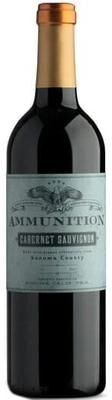
"""Ammunition Cabernet Sauvignon 2022 Red Wine - California""""""Dark garnet velvet in color and texture, this Cabernet from Paso Robles highlights what the region is quickly being known for, those delicious Bordeaux grapes. Featuring rich dark fruits with notes of black cherry, blueberry, and spice, this..."20,97 $*Shipping: 0,00 $Secure redirect to the provider
-
Uplifted Finds Desert Eagle Shell Ejection Toy Pistol With Soft Foam Bullets For Outdoor CS Shooting Games bExperience the thrill of tactical play with this Powerful Desert Eagle Toy Gun, designed for realistic action and safe fun. This Airsoft Pistol alternative features an authentic Shell Ejection mechanism that mimics a real firearm, popping out a...92,97 $*Shipping: 0,00 $Secure redirect to the provider



-
Is homology or analogy present in all vultures as scavengers?
Homology is present in all vultures as scavengers. This is because all vultures share a common evolutionary ancestor and have similar anatomical features and behaviors that have been adapted for scavenging. These shared characteristics are considered homologous traits. Analogous traits, on the other hand, would be features that have evolved independently in different species to serve a similar function, which is not the case for vultures as scavengers. **
-
Do scavengers have the same teeth and digestive system as omnivores?
Scavengers typically have teeth and digestive systems that are adapted to consume a wide variety of foods, similar to omnivores. However, the specific adaptations can vary depending on the species and their diet. For example, some scavengers may have sharp teeth for tearing into carrion, while others may have grinding teeth for consuming plant matter found in their scavenged meals. Overall, scavengers and omnivores share similarities in their dental and digestive adaptations to help them efficiently process a range of food sources. **
-
How can a shooting club exist without its own firearm?
A shooting club can exist without its own firearm by allowing members to bring their own firearms to use during club activities. The club can also partner with local shooting ranges or firearm retailers to provide access to firearms for club members. Additionally, the club can organize group firearm rentals for its members to use during events and competitions. By utilizing these methods, a shooting club can still provide a space for members to practice and compete in shooting sports without needing to own its own firearms. **
-
Do scavengers like hyenas and vultures have toxic bacteria in their saliva similar to Komodo dragons?
No, scavengers like hyenas and vultures do not have toxic bacteria in their saliva like Komodo dragons. Komodo dragons have a unique oral bacteria that can cause a deadly infection in their prey, while hyenas and vultures do not possess this type of bacteria. Instead, these scavengers have strong stomach acids that help them digest and eliminate any harmful bacteria they may come into contact with while feeding on carrion. **


Do scavengers like hyenas and vultures have similar to Komodo dragons poisonous bacteria in their saliva?
No, scavengers like hyenas and vultures do not have similar poisonous bacteria in their saliva like Komodo dragons. Komodo dragons have a unique type of bacteria in their saliva that can cause deadly infections in their prey. Hyenas and vultures rely on their strong stomach acids to digest their food, rather than relying on bacteria in their saliva to weaken their prey. **
Do scavengers like hyenas and vultures have poisonous bacteria in their saliva similar to Komodo dragons?
No, scavengers like hyenas and vultures do not have poisonous bacteria in their saliva like Komodo dragons. Komodo dragons have a unique oral bacteria that can cause deadly infections in their prey, while hyenas and vultures rely on their strong stomach acids to break down and digest their food, which helps prevent the growth of harmful bacteria in their saliva. Scavengers play an important role in the ecosystem by helping to clean up carcasses and prevent the spread of disease. **
Top-Angebote
Products related to Scavengers:
-
Uplifted Trends Mini Shell Ejecting Toy Pistol Soft Bullet Blaster For Kids Outdoor Shooting Game grayTurn ordinary playtime into an exciting adventure with a shell ejecting toy gun designed to make pretend battles and target games more engaging. This mini soft bullet toy gun gives kids an interactive way to enjoy imaginative shooting play with...59,97 $*Shipping: 0,00 $Secure redirect to the provider
-
"""Ammunition Cabernet Sauvignon 2022 Red Wine - California""""""Dark garnet velvet in color and texture, this Cabernet from Paso Robles highlights what the region is quickly being known for, those delicious Bordeaux grapes. Featuring rich dark fruits with notes of black cherry, blueberry, and spice, this..."20,97 $*Shipping: 0,00 $Secure redirect to the provider
-
Uplifted Finds Desert Eagle Shell Ejection Toy Pistol With Soft Foam Bullets For Outdoor CS Shooting Games bExperience the thrill of tactical play with this Powerful Desert Eagle Toy Gun, designed for realistic action and safe fun. This Airsoft Pistol alternative features an authentic Shell Ejection mechanism that mimics a real firearm, popping out a...92,97 $*Shipping: 0,00 $Secure redirect to the provider
-
Are dogs scavengers?
Yes, dogs are scavengers by nature. They have evolved to scavenge for food in the wild, which is why they may exhibit behaviors such as digging through trash or begging for scraps. However, domesticated dogs are typically fed by their owners and may not need to scavenge for food as much as their wild counterparts. Nonetheless, the scavenging instinct remains a part of their natural behavior. **
-
Are humans technically considered scavengers?
Humans are not technically considered scavengers. While humans may scavenge for food in certain situations, our primary mode of obtaining food is through hunting, gathering, and agriculture. Scavengers typically rely on feeding off of the remains of dead animals or plants, which is not the main source of sustenance for humans. **
-
Is homology or analogy present in all vultures as scavengers?
Homology is present in all vultures as scavengers. This is because all vultures share a common evolutionary ancestor and have similar anatomical features and behaviors that have been adapted for scavenging. These shared characteristics are considered homologous traits. Analogous traits, on the other hand, would be features that have evolved independently in different species to serve a similar function, which is not the case for vultures as scavengers. **
-
Do scavengers have the same teeth and digestive system as omnivores?
Scavengers typically have teeth and digestive systems that are adapted to consume a wide variety of foods, similar to omnivores. However, the specific adaptations can vary depending on the species and their diet. For example, some scavengers may have sharp teeth for tearing into carrion, while others may have grinding teeth for consuming plant matter found in their scavenged meals. Overall, scavengers and omnivores share similarities in their dental and digestive adaptations to help them efficiently process a range of food sources. **
Similar search terms for Scavengers
-
Uplifted Trends Mini Shell Ejecting Toy Pistol Soft Bullet Blaster For Kids Outdoor Shooting Game blueTurn ordinary playtime into an exciting adventure with a shell ejecting toy gun designed to make pretend battles and target games more engaging. This mini soft bullet toy gun gives kids an interactive way to enjoy imaginative shooting play with...59,97 $*Shipping: 0,00 $Secure redirect to the provider
-
How can a shooting club exist without its own firearm?
A shooting club can exist without its own firearm by allowing members to bring their own firearms to use during club activities. The club can also partner with local shooting ranges or firearm retailers to provide access to firearms for club members. Additionally, the club can organize group firearm rentals for its members to use during events and competitions. By utilizing these methods, a shooting club can still provide a space for members to practice and compete in shooting sports without needing to own its own firearms. **
-
Do scavengers like hyenas and vultures have toxic bacteria in their saliva similar to Komodo dragons?
No, scavengers like hyenas and vultures do not have toxic bacteria in their saliva like Komodo dragons. Komodo dragons have a unique oral bacteria that can cause a deadly infection in their prey, while hyenas and vultures do not possess this type of bacteria. Instead, these scavengers have strong stomach acids that help them digest and eliminate any harmful bacteria they may come into contact with while feeding on carrion. **
-
Do scavengers like hyenas and vultures have similar to Komodo dragons poisonous bacteria in their saliva?
No, scavengers like hyenas and vultures do not have similar poisonous bacteria in their saliva like Komodo dragons. Komodo dragons have a unique type of bacteria in their saliva that can cause deadly infections in their prey. Hyenas and vultures rely on their strong stomach acids to digest their food, rather than relying on bacteria in their saliva to weaken their prey. **
-
Do scavengers like hyenas and vultures have poisonous bacteria in their saliva similar to Komodo dragons?
No, scavengers like hyenas and vultures do not have poisonous bacteria in their saliva like Komodo dragons. Komodo dragons have a unique oral bacteria that can cause deadly infections in their prey, while hyenas and vultures rely on their strong stomach acids to break down and digest their food, which helps prevent the growth of harmful bacteria in their saliva. Scavengers play an important role in the ecosystem by helping to clean up carcasses and prevent the spread of disease. **
* All prices are inclusive of VAT and, if applicable, plus shipping costs. The offer information is based on the details provided by the respective shop and is updated through automated processes. Real-time updates do not occur, so deviations can occur in individual cases. ** Note: Parts of this content were created by AI.