Buy revolvers.eu ?
We are moving the project
revolvers.eu .
Are you interested in purchasing the domain
revolvers.eu ?
domain@kv-gmbh.de · 0541-91531010
Buy revolvers.eu ?
How do you ride the piaffe?
Riding the piaffe requires the rider to have a strong and balanced seat, as well as a clear and independent aids. The rider must use their legs to ask the horse to maintain a rhythmic and elevated trot in place, while also using their seat and hands to maintain the horse's balance and impulsion. It is important for the rider to have a deep understanding of the horse's natural movement and to be able to communicate effectively with the horse to achieve the desired piaffe. Consistent and patient training is also essential to develop the strength and coordination needed for the horse to perform the piaffe correctly. **
How should I teach my horse the piaffe?
Teaching a horse the piaffe requires patience, consistency, and proper training techniques. Start by establishing a strong foundation in basic dressage movements and ensuring your horse is responsive to your aids. Break down the piaffe into smaller steps, such as teaching your horse to lift its legs in place and then gradually adding more steps. Use positive reinforcement, such as treats or praise, to reward your horse for correct responses. It is also important to seek guidance from a qualified dressage trainer to ensure you are using the correct techniques and to monitor your progress. **


Similar search terms for Piaffe
Top-Angebote
Products related to Piaffe:
-
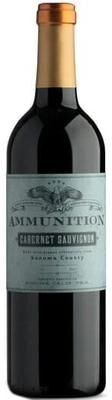
"""Ammunition Cabernet Sauvignon 2022 Red Wine - California""""""Dark garnet velvet in color and texture, this Cabernet from Paso Robles highlights what the region is quickly being known for, those delicious Bordeaux grapes. Featuring rich dark fruits with notes of black cherry, blueberry, and spice, this..."20,97 $*Shipping: 0,00 $Secure redirect to the provider
-
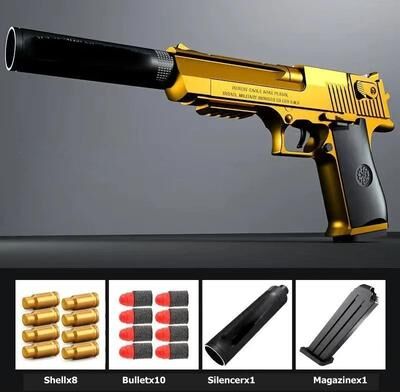
Uplifted Finds Desert Eagle Shell Ejection Toy Pistol With Soft Foam Bullets For Outdoor CS Shooting Games aExperience the thrill of tactical play with this Powerful Desert Eagle Toy Gun, designed for realistic action and safe fun. This Airsoft Pistol alternative features an authentic Shell Ejection mechanism that mimics a real firearm, popping out a...72,97 $*Shipping: 0,00 $Secure redirect to the provider

-
What is the difference between bending and piaffe?
Bending and piaffe are both movements in dressage, but they are different in their execution and purpose. Bending refers to the lateral flexion of the horse's body, where the horse is asked to flex its body around a curved line, usually in a circle or a serpentine. This helps to supple the horse's body and improve its flexibility. On the other hand, piaffe is a highly collected and elevated trot in place, where the horse lifts its legs off the ground and maintains a rhythmic, cadenced movement. Piaffe is a highly advanced movement that requires a great deal of strength and balance from the horse. **
-
What are the differences between Piaffe and Passage?
Piaffe and Passage are both advanced dressage movements performed by a horse, but they have distinct differences. The piaffe is a highly collected and elevated trot in place, where the horse lifts its legs off the ground and maintains a rhythmic, cadenced movement. In contrast, the passage is a highly collected and elevated trot with a longer stride, where the horse exhibits more forward movement and suspension. The piaffe is performed in place, while the passage has a more forward and dynamic quality. Both movements require strength, balance, and precision from the horse, but they have different characteristics and purposes in dressage. **
-
Where do passage, piaffe, lateral movements, etc. occur in a horse's natural behavior?
Passage, piaffe, lateral movements, and other advanced dressage movements do not occur naturally in a horse's behavior in the wild. These movements are highly trained and refined exercises that are taught to horses through dressage training. In their natural behavior, horses may exhibit some lateral movements for communication or evasion purposes, but they do not perform the collected and controlled movements seen in dressage. **
-
Where do Passage, Piaffe, Lateral movements, etc. occur in a horse's natural behavior?
Passage, piaffe, lateral movements, and other high-level dressage movements do not occur naturally in a horse's behavior in the wild. These movements are highly trained and refined exercises that are developed through years of training and practice. In the wild, horses may exhibit some similar movements such as trotting, cantering, and moving laterally to avoid obstacles or communicate with other horses, but the precision and collection required for dressage movements are not part of their natural repertoire. **


Where do Passage, Piaffe, lateral movements, etc. occur in a horse's natural behavior?
Passage, piaffe, lateral movements, and other advanced dressage movements do not occur naturally in a horse's behavior in the wild. These movements are developed through training and are not typically seen in a horse's natural repertoire of movements. Horses in the wild may exhibit some lateral movements for communication or evasion purposes, but the highly collected and controlled movements seen in dressage are a result of specific training techniques. **
Where do movements like Passage, Piaffe, Lateral movements, etc. occur in a horse's natural behavior?
Movements like Passage, Piaffe, and Lateral movements do not occur naturally in a horse's behavior in the wild. These movements are advanced dressage exercises that are taught and trained by humans for performance purposes. In the wild, horses may exhibit behaviors such as walking, trotting, cantering, and galloping as they move around their natural environment. **
Top-Angebote
Products related to Piaffe:
-
Uplifted Trends Mini Shell Ejecting Toy Pistol Soft Bullet Blaster For Kids Outdoor Shooting Game grayTurn ordinary playtime into an exciting adventure with a shell ejecting toy gun designed to make pretend battles and target games more engaging. This mini soft bullet toy gun gives kids an interactive way to enjoy imaginative shooting play with...59,97 $*Shipping: 0,00 $Secure redirect to the provider
-
"""Ammunition Cabernet Sauvignon 2022 Red Wine - California""""""Dark garnet velvet in color and texture, this Cabernet from Paso Robles highlights what the region is quickly being known for, those delicious Bordeaux grapes. Featuring rich dark fruits with notes of black cherry, blueberry, and spice, this..."20,97 $*Shipping: 0,00 $Secure redirect to the provider
-
Uplifted Finds Desert Eagle Shell Ejection Toy Pistol With Soft Foam Bullets For Outdoor CS Shooting Games aExperience the thrill of tactical play with this Powerful Desert Eagle Toy Gun, designed for realistic action and safe fun. This Airsoft Pistol alternative features an authentic Shell Ejection mechanism that mimics a real firearm, popping out a...72,97 $*Shipping: 0,00 $Secure redirect to the provider
-
How do you ride the piaffe?
Riding the piaffe requires the rider to have a strong and balanced seat, as well as a clear and independent aids. The rider must use their legs to ask the horse to maintain a rhythmic and elevated trot in place, while also using their seat and hands to maintain the horse's balance and impulsion. It is important for the rider to have a deep understanding of the horse's natural movement and to be able to communicate effectively with the horse to achieve the desired piaffe. Consistent and patient training is also essential to develop the strength and coordination needed for the horse to perform the piaffe correctly. **
-
How should I teach my horse the piaffe?
Teaching a horse the piaffe requires patience, consistency, and proper training techniques. Start by establishing a strong foundation in basic dressage movements and ensuring your horse is responsive to your aids. Break down the piaffe into smaller steps, such as teaching your horse to lift its legs in place and then gradually adding more steps. Use positive reinforcement, such as treats or praise, to reward your horse for correct responses. It is also important to seek guidance from a qualified dressage trainer to ensure you are using the correct techniques and to monitor your progress. **
-
What is the difference between bending and piaffe?
Bending and piaffe are both movements in dressage, but they are different in their execution and purpose. Bending refers to the lateral flexion of the horse's body, where the horse is asked to flex its body around a curved line, usually in a circle or a serpentine. This helps to supple the horse's body and improve its flexibility. On the other hand, piaffe is a highly collected and elevated trot in place, where the horse lifts its legs off the ground and maintains a rhythmic, cadenced movement. Piaffe is a highly advanced movement that requires a great deal of strength and balance from the horse. **
-
What are the differences between Piaffe and Passage?
Piaffe and Passage are both advanced dressage movements performed by a horse, but they have distinct differences. The piaffe is a highly collected and elevated trot in place, where the horse lifts its legs off the ground and maintains a rhythmic, cadenced movement. In contrast, the passage is a highly collected and elevated trot with a longer stride, where the horse exhibits more forward movement and suspension. The piaffe is performed in place, while the passage has a more forward and dynamic quality. Both movements require strength, balance, and precision from the horse, but they have different characteristics and purposes in dressage. **
Similar search terms for Piaffe
-
Uplifted Trends Mini Shell Ejecting Toy Pistol Soft Bullet Blaster For Kids Outdoor Shooting Game blueTurn ordinary playtime into an exciting adventure with a shell ejecting toy gun designed to make pretend battles and target games more engaging. This mini soft bullet toy gun gives kids an interactive way to enjoy imaginative shooting play with...59,97 $*Shipping: 0,00 $Secure redirect to the provider
-
Where do passage, piaffe, lateral movements, etc. occur in a horse's natural behavior?
Passage, piaffe, lateral movements, and other advanced dressage movements do not occur naturally in a horse's behavior in the wild. These movements are highly trained and refined exercises that are taught to horses through dressage training. In their natural behavior, horses may exhibit some lateral movements for communication or evasion purposes, but they do not perform the collected and controlled movements seen in dressage. **
-
Where do Passage, Piaffe, Lateral movements, etc. occur in a horse's natural behavior?
Passage, piaffe, lateral movements, and other high-level dressage movements do not occur naturally in a horse's behavior in the wild. These movements are highly trained and refined exercises that are developed through years of training and practice. In the wild, horses may exhibit some similar movements such as trotting, cantering, and moving laterally to avoid obstacles or communicate with other horses, but the precision and collection required for dressage movements are not part of their natural repertoire. **
-
Where do Passage, Piaffe, lateral movements, etc. occur in a horse's natural behavior?
Passage, piaffe, lateral movements, and other advanced dressage movements do not occur naturally in a horse's behavior in the wild. These movements are developed through training and are not typically seen in a horse's natural repertoire of movements. Horses in the wild may exhibit some lateral movements for communication or evasion purposes, but the highly collected and controlled movements seen in dressage are a result of specific training techniques. **
-
Where do movements like Passage, Piaffe, Lateral movements, etc. occur in a horse's natural behavior?
Movements like Passage, Piaffe, and Lateral movements do not occur naturally in a horse's behavior in the wild. These movements are advanced dressage exercises that are taught and trained by humans for performance purposes. In the wild, horses may exhibit behaviors such as walking, trotting, cantering, and galloping as they move around their natural environment. **
* All prices are inclusive of VAT and, if applicable, plus shipping costs. The offer information is based on the details provided by the respective shop and is updated through automated processes. Real-time updates do not occur, so deviations can occur in individual cases. ** Note: Parts of this content were created by AI.