Buy revolvers.eu ?
We are moving the project
revolvers.eu .
Are you interested in purchasing the domain
revolvers.eu ?
domain@kv-gmbh.de · 0541-91531010
Buy revolvers.eu ?
'Adverb or preposition?'
An adverb is a word that modifies a verb, an adjective, or another adverb. It often answers questions such as how, when, where, and to what extent. A preposition, on the other hand, is a word that shows the relationship between a noun or pronoun and other words in a sentence. It often indicates location, direction, time, or the relationship between two things. **
Is that an adverb?
Without context, it is difficult to determine if "that" is being used as an adverb. "That" can be used as a demonstrative pronoun, adjective, or adverb depending on the sentence structure and the words it is modifying. For example, in the sentence "I didn't know that," "that" is used as a conjunction. However, in the sentence "She runs that fast," "that" is used as an adverb modifying the verb "runs." **

Similar search terms for Adverb
Top-Angebote
Products related to Adverb:
-
Uplifted Finds Desert Eagle Shell Ejection Toy Pistol With Soft Foam Bullets For Outdoor CS Shooting Games bExperience the thrill of tactical play with this Powerful Desert Eagle Toy Gun, designed for realistic action and safe fun. This Airsoft Pistol alternative features an authentic Shell Ejection mechanism that mimics a real firearm, popping out a...92,97 $*Shipping: 0,00 $Secure redirect to the provider



-
Is "alten" an adverb?
No, "alten" is not an adverb. It is actually the comparative form of the adjective "alt" in German, which means "old" in English. Adverbs typically modify verbs, adjectives, or other adverbs, but "alten" does not perform this function. Instead, it is used to compare the age of two things or people. **
-
What is an adverb, therefore?
An adverb is a part of speech that modifies or describes a verb, adjective, or another adverb. It provides more information about how, when, where, or to what extent an action is performed. Adverbs help to add detail and clarity to a sentence, allowing the reader or listener to better understand the action being described. **
-
What is a special adverb?
A special adverb is an adverb that does not fit into the typical categories of adverbs such as manner, time, place, or frequency. These adverbs are unique in that they do not describe how, when, where, or how often an action is performed, but rather add a specific detail or nuance to the verb. Special adverbs can include words like "only," "even," "just," "almost," and "hardly," among others. They serve to provide additional information or emphasis to the verb in a sentence. **
-
What is consequently an adverb?
Consequently is an adverb that is used to show a result or effect of something that has happened. It is often used to connect two events or ideas in a cause-and-effect relationship. For example, "She missed the bus, consequently she was late for work." In this sentence, consequently shows the result of missing the bus. **


Can it be an adverb?
Yes, "it" can be an adverb. In English, "it" can function as an adverb to indicate a location, time, or degree. For example, in the sentence "I put the book on the table," "on" is an adverb indicating location, and "it" can be used to replace "on" to form "I put the book it." Similarly, in the sentence "She ran quickly," "quickly" is an adverb indicating degree, and "it" can be used to replace "quickly" to form "She ran it." **
How can one recognize an adverb?
An adverb is a word that modifies or describes a verb, adjective, or another adverb. Adverbs often end in "-ly," but not always. They can also answer questions such as how, when, where, or to what extent an action is taking place. To recognize an adverb, look for words that provide more information about how an action is being performed or the circumstances surrounding it. **
Top-Angebote
Products related to Adverb:
-
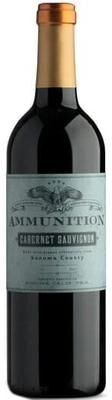
"""Ammunition Cabernet Sauvignon 2022 Red Wine - California""""""Dark garnet velvet in color and texture, this Cabernet from Paso Robles highlights what the region is quickly being known for, those delicious Bordeaux grapes. Featuring rich dark fruits with notes of black cherry, blueberry, and spice, this..."20,97 $*Shipping: 0,00 $Secure redirect to the provider
-
Uplifted Finds Desert Eagle Shell Ejection Toy Pistol With Soft Foam Bullets For Outdoor CS Shooting Games bExperience the thrill of tactical play with this Powerful Desert Eagle Toy Gun, designed for realistic action and safe fun. This Airsoft Pistol alternative features an authentic Shell Ejection mechanism that mimics a real firearm, popping out a...92,97 $*Shipping: 0,00 $Secure redirect to the provider
-
'Adverb or preposition?'
An adverb is a word that modifies a verb, an adjective, or another adverb. It often answers questions such as how, when, where, and to what extent. A preposition, on the other hand, is a word that shows the relationship between a noun or pronoun and other words in a sentence. It often indicates location, direction, time, or the relationship between two things. **
-
Is that an adverb?
Without context, it is difficult to determine if "that" is being used as an adverb. "That" can be used as a demonstrative pronoun, adjective, or adverb depending on the sentence structure and the words it is modifying. For example, in the sentence "I didn't know that," "that" is used as a conjunction. However, in the sentence "She runs that fast," "that" is used as an adverb modifying the verb "runs." **
-
Is "alten" an adverb?
No, "alten" is not an adverb. It is actually the comparative form of the adjective "alt" in German, which means "old" in English. Adverbs typically modify verbs, adjectives, or other adverbs, but "alten" does not perform this function. Instead, it is used to compare the age of two things or people. **
-
What is an adverb, therefore?
An adverb is a part of speech that modifies or describes a verb, adjective, or another adverb. It provides more information about how, when, where, or to what extent an action is performed. Adverbs help to add detail and clarity to a sentence, allowing the reader or listener to better understand the action being described. **
Similar search terms for Adverb
-
Uplifted Finds Desert Eagle Shell Ejection Toy Pistol With Soft Foam Bullets For Outdoor CS Shooting Games dExperience the thrill of tactical play with this Powerful Desert Eagle Toy Gun, designed for realistic action and safe fun. This Airsoft Pistol alternative features an authentic Shell Ejection mechanism that mimics a real firearm, popping out a...72,97 $*Shipping: 0,00 $Secure redirect to the provider
-
Uplifted Finds Desert Eagle Shell Ejection Toy Pistol With Soft Foam Bullets For Outdoor CS Shooting Games aExperience the thrill of tactical play with this Powerful Desert Eagle Toy Gun, designed for realistic action and safe fun. This Airsoft Pistol alternative features an authentic Shell Ejection mechanism that mimics a real firearm, popping out a...72,97 $*Shipping: 0,00 $Secure redirect to the provider
-
What is a special adverb?
A special adverb is an adverb that does not fit into the typical categories of adverbs such as manner, time, place, or frequency. These adverbs are unique in that they do not describe how, when, where, or how often an action is performed, but rather add a specific detail or nuance to the verb. Special adverbs can include words like "only," "even," "just," "almost," and "hardly," among others. They serve to provide additional information or emphasis to the verb in a sentence. **
-
What is consequently an adverb?
Consequently is an adverb that is used to show a result or effect of something that has happened. It is often used to connect two events or ideas in a cause-and-effect relationship. For example, "She missed the bus, consequently she was late for work." In this sentence, consequently shows the result of missing the bus. **
-
Can it be an adverb?
Yes, "it" can be an adverb. In English, "it" can function as an adverb to indicate a location, time, or degree. For example, in the sentence "I put the book on the table," "on" is an adverb indicating location, and "it" can be used to replace "on" to form "I put the book it." Similarly, in the sentence "She ran quickly," "quickly" is an adverb indicating degree, and "it" can be used to replace "quickly" to form "She ran it." **
-
How can one recognize an adverb?
An adverb is a word that modifies or describes a verb, adjective, or another adverb. Adverbs often end in "-ly," but not always. They can also answer questions such as how, when, where, or to what extent an action is taking place. To recognize an adverb, look for words that provide more information about how an action is being performed or the circumstances surrounding it. **
* All prices are inclusive of VAT and, if applicable, plus shipping costs. The offer information is based on the details provided by the respective shop and is updated through automated processes. Real-time updates do not occur, so deviations can occur in individual cases. ** Note: Parts of this content were created by AI.